Three days. Five UNESCO sites. Ancient temples, living goddesses, Himalayan sunrises, and Newari culture so rich it rewires how you see the world — all experienced from the seat of a motorbike.
Kathmandu doesn't reveal itself from a tourist bus window. Its real character lives in the winding back alleys of Bhaktapur's Pottery Square, in the butter-lamp smoke drifting from monasteries around Boudhanath, in the gaze of a living goddess peering from an ancient courtyard window.
The Kathmandu Motorcycle Tour is your ticket past the glass — a three-day immersion through the valley's most sacred, historic, and culturally alive corners, on two wheels that take you where buses simply can't.
From the cobblestone squares of Bhaktapur (one of Nepal's oldest cities) to the Himalayan sunrise panorama at Nagarkot, from the giant mandala of Boudhanath Stupa to the ancient Newari township of Kirtipur — each day is a complete world unto itself.
Every stop is guided by someone who grew up here. Every meal is local. Every turn reveals something older than most countries. This is Nepal's living heritage — and you're riding straight through the heart of it.
One of the largest Buddhist stupas in the world, surrounded by 50 monasteries — a living spiritual epicentre that hasn't changed in centuries.
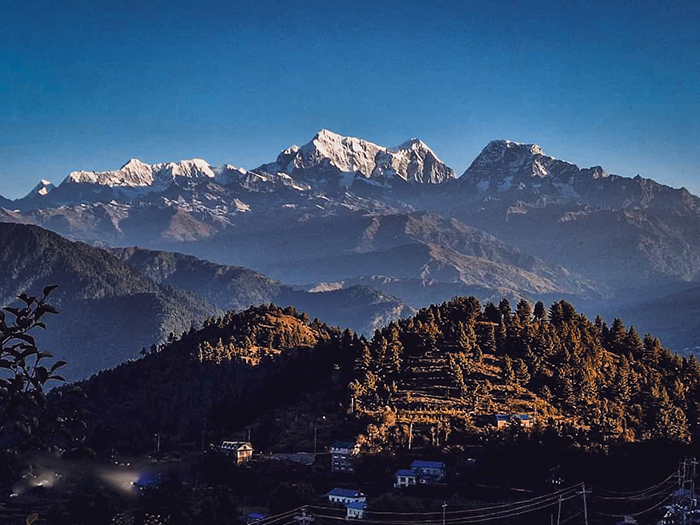
Wake at dawn to watch the first light touch Langtang, Manaslu, and Everest itself — from a ridge at 2,175m. One of Nepal's most iconic views.
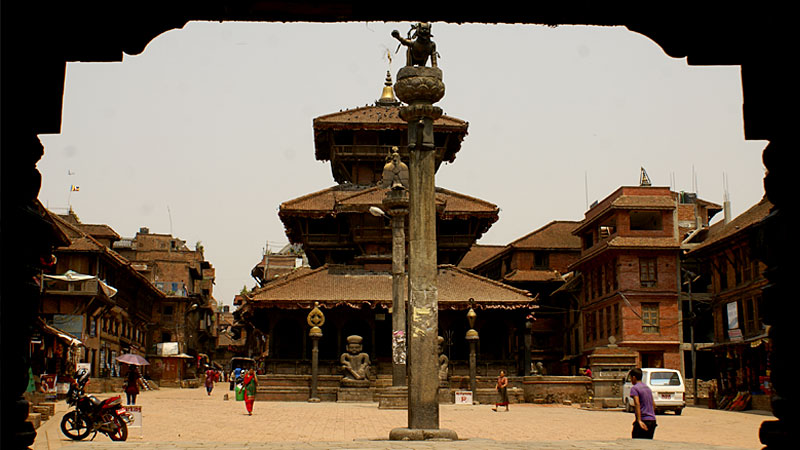
Four UNESCO-listed squares in one ancient city: Durbar, Taumadhi, Dattatreya, and Pottery Square. Medieval Nepal, completely intact.
The great mandala of the valley floor, ringed by 50 monasteries. Prayer flags, butter lamps, and monks circumambulating at every hour of the day.
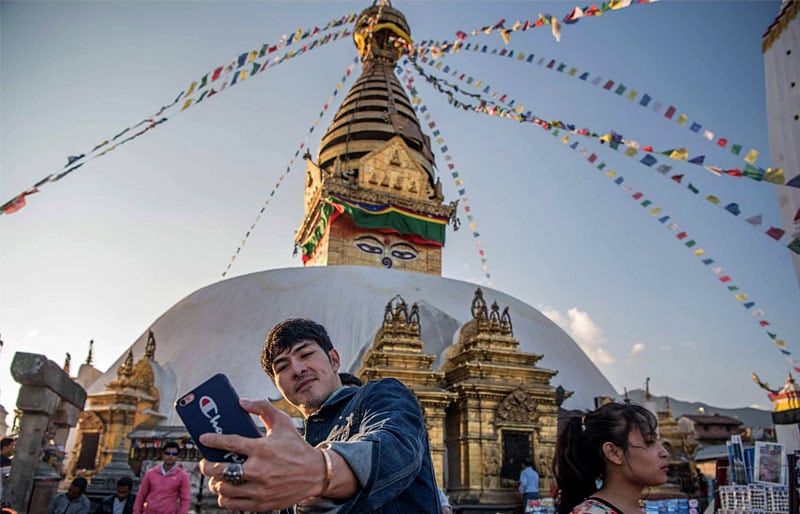
The all-seeing eyes of the Buddha gazing across the valley from a forested hilltop. Sacred to both Hindu and Buddhist communities for over 2,000 years.
Lunch in a traditional Newari restaurant in one of Nepal's oldest townships. Bara, chatamari, yomari — food that predates the tourist trail by centuries.
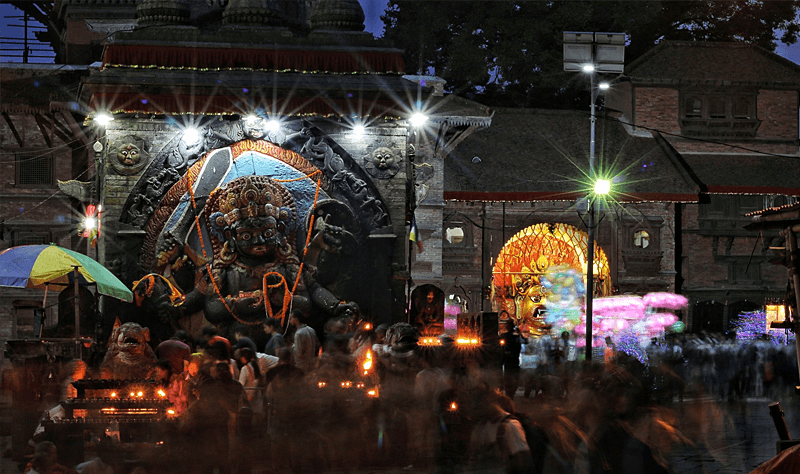
Kathmandu Durbar Square is home to Kumari Bahal, residence of Nepal's living goddess. A religious tradition unlike anything else on earth.
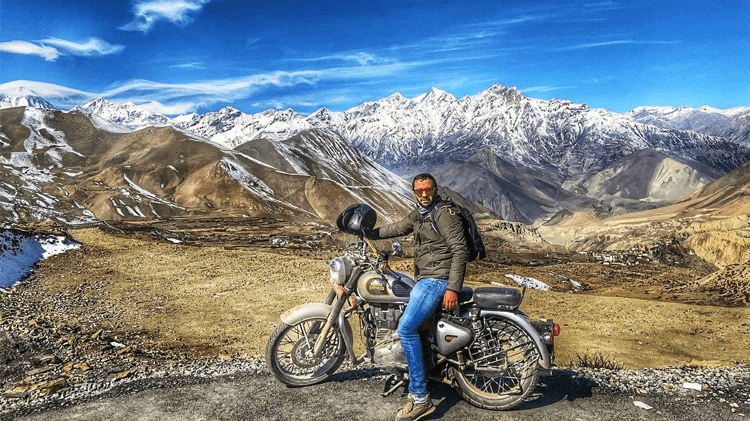
The climb to Nagarkot includes outstanding off-road sections through terraced hillsides. Your first taste of Nepal's adventurous riding terrain.
Intricate wood carvings, pagoda temples, and brick-paved streets built by the Malla kings between the 15th and 18th centuries. Living history.
Early morning departure from Kathmandu — the city at its most atmospheric before the traffic wakes up. The ride to Bhaktapur (13km east) is quick, but the destination is anything but. One of Nepal's oldest cities and a UNESCO World Heritage Site, Bhaktapur's Durbar Square is a jaw-dropping medieval complex of four distinct plazas.
After exploring, the road climbs to Nagarkot — a combination of magnificent off-road terrain and terraced hillsides. Arrive in time for a golden sunset over the valley. Tomorrow's sunrise will be worth every minute of that climb.
🏛️ Ancient Durbar Square · Pottery Artisans · Sunset HilltopRise before dawn for the main event — the Himalayan sunrise panorama from Nagarkot. On a clear morning, the full arc of Nepal's mountains is visible from east to west: Kanchenjunga, Everest, Lhotse, Makalu, Cho Oyu, Manaslu, Langtang. The kind of view that makes grown riders go very quiet.
Then descend back into the valley and ride to Boudhanath Stupa — 8km east of Kathmandu, one of the world's largest spherical stupas and the beating heart of Tibetan Buddhism in Nepal. The stupa is surrounded by 50 monasteries, spinning prayer wheels, and monks in saffron robes completing their morning circuits. Walk the kora (ritual circumambulation), absorb the energy, and take your time.
The final day is the richest. Start at Swoyambhu Temple — the Monkey Temple — perched on a hilltop with panoramic views across the valley. This sacred complex has been a site of Buddhist worship for over two millennia, and the resident monkeys have been squatters almost as long. The all-seeing eyes of the Buddha painted on every side of the stupa are one of Nepal's most iconic images.
Ride on to Kirtipur — an ancient Newar township with brick-paved streets, artistic Newari houses, and temple squares that feel untouched by the modern world. Lunch here is a highlight in itself: a traditional Newari spread in a family restaurant that's been feeding locals for generations.
The final stop brings it all together — Kathmandu Durbar Square, a UNESCO World Heritage masterpiece of palaces, temples, and courtyards built between the 15th and 18th centuries by the Malla kings. Walk through Kumari Bahal (residence of the living goddess), past the Taleju Temple, and through Hanuman Dhoka Palace. The perfect ending to three extraordinary days.
Four UNESCO-listed historic plazas in Nepal's best-preserved ancient city, just 13km east of Kathmandu.
Nepal's most celebrated valley viewpoint at 2,175m — a horizon-to-horizon panorama of the Himalayan range at dawn.
One of the world's largest Buddhist stupas, surrounded by 50 monasteries. A living pilgrimage site unchanged for centuries.
The Monkey Temple — a 2,000-year-old hilltop shrine sacred to both Hindus and Buddhists with all-seeing eyes of the Buddha.
Ancient Newar township with brick-paved streets, artistic Newari houses, and a traditional atmosphere that time forgot.
Residence of Nepal's living goddess — a young girl chosen through ancient rites to embody the goddess Taleju.
The royal palace complex of the Malla and Shah dynasties — centuries of Nepali royal history condensed into one extraordinary compound.
Juju Dhau — the famous "king of curds" served in clay pots. A Bhaktapur speciality that every visitor must try at least once.
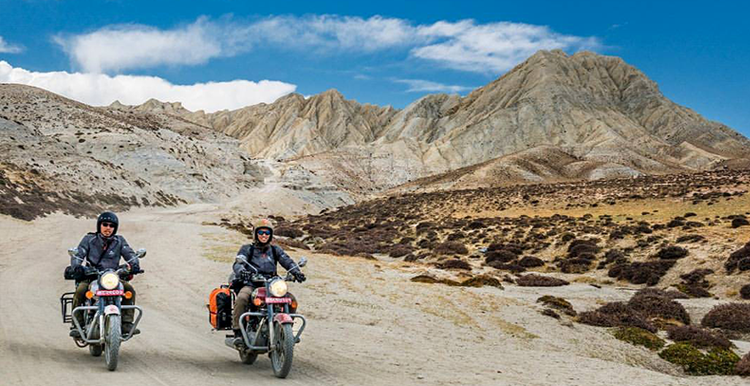
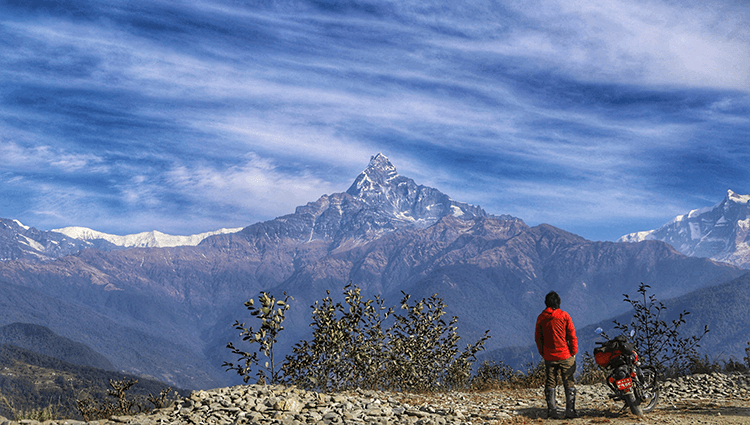
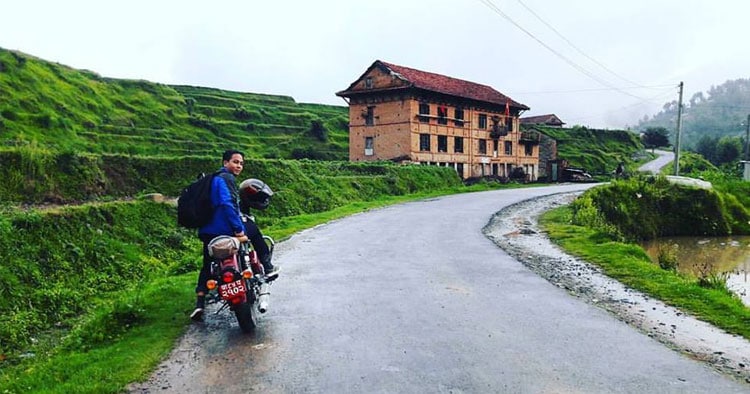
Real shots from the temples, roads, and ridge-lines of the Kathmandu Valley motorcycle tour.
Your home country licence is accepted, or an International Driving Permit. Ensure it's valid before you travel.
Bring your own full riding gear — helmet, gloves, boots, and jacket. Some of the Nagarkot road is off-road terrain.
Strongly recommended. Ensure your policy covers adventure motorcycling and medical evacuation if needed.
Minimum 2 riders for best rates. Solo riders always welcome. Group discounts available for larger bookings.
The route and pace can be adjusted to your interests and schedule. Let us know at booking and we'll customise it.
October–May is ideal for clear mountain views. The tour runs year-round, but July–August monsoon brings heavy rain.
UNESCO heritage site entrance fees are not included. Budget approx. USD 15–25 per site depending on nationality.
Some sites restrict photography inside shrines and temples. Always ask your guide before pointing a camera.
The Kathmandu Motorcycle Tour runs year-round with flexible departure dates. Small groups, local expertise, and memories that outlast any tour bus photo stop.